
Learn Chinese with a Native Mandarin & Cantonese Speaker
Personalized online lessons designed to help you speak Chinese confidently. From pronunciation basics to fluent conversations, I will guide you every step of the way.
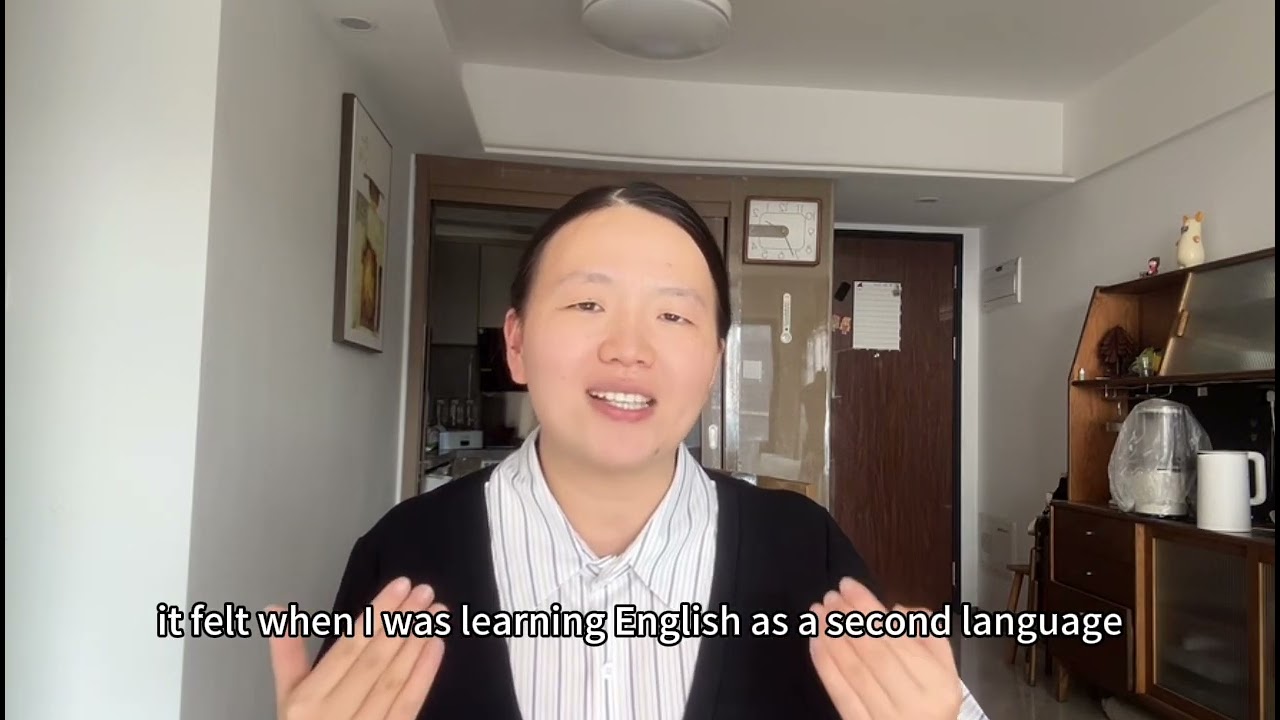
Native Speaker
Learn authentic Chinese from a native Mandarin and Cantonese speaker from Guangdong, China
Live Online Lessons
Interactive one-on-one classes via Zoom with screen sharing and materials
Conversational Focus
Practice real-life conversations and improve your speaking confidence naturally
Customized Learning
Personalized lessons tailored to your specific goals, interests, and learning pace
Lesson Pricing
Flexible pricing options to fit your learning goals and budget. All lessons are one-on-one via Zoom.
Trial Lesson
30 minutes
- Get to know each other
- Assess your level
- Discuss goals
- Experience my style
Single Lesson
60 minutes
- Full one-on-one
- Custom materials
- Homework included
- Flexible scheduling
5-Lesson Package
60 min each
- Save $10
- Valid 2 months
- Structured path
- Priority booking
10-Lesson Package
60 min each
- Save $40
- Valid 3 months
- Max flexibility
- Progress reports
Currency Information
All lesson fees are listed in USD. When you click the payment button, Wise will automatically convert the price to your currency (EUR, GBP, AUD, CAD, etc.) using the real exchange rate.
You can review the exact amount before completing the payment.
Is it you personally teaching Chinese, or are you part of an institution? ▼
Yes, it's me personally teaching Chinese! This website is also something I created on my own. I've never been to the US or any other English-speaking countries, and my English is self-taught (so you can imagine the effort!). Currently, I live in China, and because of the time difference with many countries, especially in the West, my available teaching hours are limited. Plus, I have a day job, so my schedule can be a bit tight.
If you like my approach, I highly recommend booking a lesson soon! My rates are very reasonable — I do this out of passion and to connect with new friends from all over. I put my heart into teaching every student, and I can't wait to work with you!
Do I need any prior Chinese knowledge? ▼
Not at all! I teach students of all levels, from complete beginners to advanced learners. We will start from wherever you are comfortable.
What materials do I need? ▼
Just a computer or tablet/phone with internet connection, and Zoom installed. I will provide all learning materials digitally before each lesson. If you'd like something simpler, WhatsApp is also fine, but since I'm in China, I recommend WeChat to ensure smooth communication.
Can I learn both Mandarin and Cantonese? ▼
Absolutely! As a native speaker of both, I can teach you either or both languages. Many students find learning both helpful for understanding Chinese culture.
How do I pay for lessons? ▼
After booking, you will receive a secure payment link via Wise. Payment must be completed before the lesson to confirm your booking. Since my website uses Wise payment links, it supports payments from most regions worldwide. If you prefer PayPal or another payment method, please email me through the contact page or message me directly on WhatsApp (I will reply when I see it).
What if I need to reschedule? ▼
Please notify me at least 24 hours in advance. I understand things come up and will work with you to find a new time that fits your schedule.
How long until I can speak Chinese? ▼
This varies by person, but with consistent weekly lessons, most students can handle basic conversations in 2-3 months. My focus is on practical speaking from day one.
What My Students Say
“Candice is patient and explains everything clearly. Her lessons are fun and I am finally understanding tones!”
Sarah M.
New York, USA
“I love how Candice relates to my learning struggles since she's learning English too. Great teacher!”
James L.
Bath, UK
“Learning Cantonese with Candice has been amazing. She makes it so practical and relatable.”
Michael T.
Perth, AU
“Learning Cantonese with Candice has been amazing. She makes it so practical and relatable.”
Michael T.
Ottawa, CA
Ready to Start Learning Chinese?
Book your 30-minute trial lesson today! No commitment required.