The HSK writing test often feels like the most daunting part of the entire Chinese proficiency exam. As your Mandarin tutor, I’ve guided countless students through this challenge, and I can assure you that with the right preparation strategy, you can not only survive this section but truly excel. The writing component tests more than just your ability to reproduce characters—it evaluates your understanding of Chinese sentence structure, vocabulary usage, and your capacity to express ideas clearly in written form. Whether you’re preparing for the basic character writing of HSK 1 or the sophisticated essay requirements of HSK 6, the key to success lies in systematic preparation and understanding exactly what the examiners are looking for. Let me walk you through everything you need to know to approach your HSK writing test with confidence.
Understanding the HSK Writing Test Structure
Before diving into preparation strategies, it’s crucial to understand what you’re actually facing. The HSK writing test varies significantly across levels, with HSK 1-2 focusing primarily on character recognition and basic sentence formation, while HSK 3-6 progressively introduce more complex writing tasks. At the beginner levels, you’ll encounter exercises like rearranging words into correct sentences or writing characters based on Pinyin prompts. As you advance to intermediate levels, you’ll need to describe pictures, write short paragraphs, and eventually craft full essays at the advanced stages. The time allocation also increases with each level, from 15 minutes for HSK 1 up to 45 minutes for HSK 6. Understanding these structural differences helps you tailor your preparation effectively. If you’re unsure about which level to target, my article comparing HSK 3 vs HSK 4: Which Level might help clarify your decision.
Essential Preparation Strategies
Successful HSK writing preparation requires a multi-faceted approach that balances character mastery, vocabulary building, and practical writing practice. Start by creating a study schedule that dedicates specific time to writing practice—consistency is far more effective than cramming. For character learning, I recommend focusing on the most frequently tested characters for your target HSK level, paying special attention to stroke order and component structure. Many students find that writing characters repeatedly while saying them aloud creates stronger neural connections. Vocabulary acquisition should go beyond mere recognition—practice using new words in context through sentence construction exercises. Grammar forms the backbone of good writing, so dedicate time to understanding sentence patterns and connectors that will make your writing flow naturally. For comprehensive Chinese grammar lessons that specifically target writing improvement, explore my specialized resources.
Mastering Chinese Characters for Writing
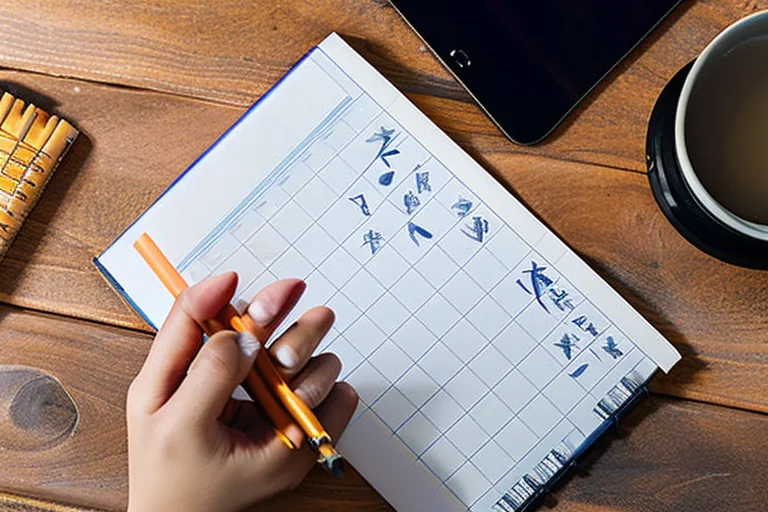
Character writing often presents the biggest hurdle for HSK test-takers, but breaking it down into manageable components makes it much less intimidating. Begin by mastering the basic strokes and understanding common radicals—these building blocks will help you decipher and remember more complex characters. Create flashcards with characters on one side and Pinyin, meaning, and example words on the other. Practice writing each character multiple times, focusing on correct stroke order, which is not just tradition—it actually helps with character recall and neatness. Pay attention to character proportions and spacing; examiners appreciate well-formed, balanced characters. For beginners especially, using grid paper can help maintain consistent size and alignment. Remember that character learning is cumulative—the characters you master for HSK 1 will form the foundation for HSK 2 and beyond.
Building Effective Writing Habits
Developing strong writing habits before test day can significantly impact your performance. Start by practicing under timed conditions that mirror the actual test—this builds both speed and confidence. Begin with shorter writing sessions and gradually increase the duration as your stamina improves. Keep a Chinese writing journal where you practice composing short paragraphs about your daily activities, thoughts, or responses to prompts similar to those you might encounter on the exam. When you make mistakes—and you will—view them as learning opportunities rather than failures. Analyze what went wrong: Was it a character error? Grammar issue? Vocabulary limitation? This reflective practice transforms writing from a chore into a rewarding skill-building activity. For those just starting their Chinese journey, my more beginner resources offer additional guidance on establishing effective study routines.
Test-Day Strategies for HSK Writing Success
Your preparation culminates on test day, and having a solid strategy can make all the difference. First, manage your time wisely—quickly scan the entire writing section to understand what’s required and allocate your time accordingly. For tasks that involve rearranging words into sentences, look for grammatical markers like 了, 的, or 地 that indicate sentence structure. When writing characters, work carefully but don’t perfectionism—completed responses score points, while beautifully started but unfinished ones don’t. For picture description and essay tasks, spend a few minutes planning your response before you start writing. Create a simple outline to ensure your writing has a logical flow. Remember that accuracy matters more than complexity—using simpler sentences correctly will earn you more points than attempting complex structures with errors. Keep your handwriting legible, as examiners cannot award points for what they cannot read.
Understanding Scoring and Common Pitfalls
Knowing how your writing will be evaluated helps you focus your efforts where they matter most. HSK writing exams typically assess vocabulary usage, grammatical accuracy, task completion, and coherence. Examiners look for appropriate word choice, correct sentence patterns, and whether you’ve fully addressed the prompt. Common mistakes include incorrect character writing, improper word order, missing particles, and run-on sentences. Many students lose points by attempting vocabulary or grammar structures beyond their actual proficiency level—it’s better to demonstrate solid control of simpler language than shaky command of complex constructions. Pay attention to common functional words and sentence patterns specific to your HSK level, as these often appear in writing prompts. Understanding Chinese discover cultural perspectives can also enrich your writing with appropriate context and examples.
Long-Term Improvement Beyond the Test
While passing the HSK writing test is an important milestone, the ultimate goal is developing practical writing skills that serve you in real-world Chinese communication. Continue writing regularly even after your exam—maintaining a language partner relationship where you exchange written messages can be particularly effective. Read Chinese materials regularly to absorb natural sentence structures and expand your vocabulary. Pay attention to how professional writers construct arguments, describe scenes, and express opinions. Consider exploring different writing genres, from personal narratives to formal emails, to develop versatility in your written expression. Remember that writing improvement is gradual—celebrate small victories and track your progress over time. The writing skills you develop for the HSK will serve you well in academic, professional, and personal contexts where Chinese communication is required.
Ready to take your HSK writing preparation to the next level? I offer personalized Chinese lesson specifically designed to target writing weaknesses and build upon your strengths. Learn more about my personalized teaching approach and how I’ve helped students achieve their target HSK scores. Want to discuss your Chinese learning goals and create a customized study plan? Check out view my lesson pricing to find an option that fits your budget and schedule. With focused practice and expert guidance, you can approach your HSK writing test with the confidence that comes from thorough preparation.